5 Common Causes of Blocked Drains and How to Prevent Them

Blocked drains are a hassle that could disrupt your everyday life. They can lead to smelly water damage, bad smells, or even health risks. If they are not addressed promptly blocked drains may cause grave problems to your plumbing system, resulting in expensive repairs or replacements.
Key Takeaways
- Blocked drains can disrupt your daily life and cause the destruction of your home, bad smells, and even health issues.
- The fat, oil and grease accumulations can stick to the pipes’ walls, causing blockages; avoid pouring grease down the drain or make use of hot water and soap for cleaning dishes.
- The roots of trees naturally expand in the ground to find nutrients which may cause significant damages and blockages to pipes and cause flooding. It is important to regularly maintain the trees surrounding drainage systems by pruning them.
- The flushing of non-biodegradable products like wet wipes, sanitary towels and so on. can cause unpleasant smells emanating from bins and toilets. just wash toilet papers down drain.
- Hair
In this article, we will examine five of the most common causes of blocked drains and what you can do to stop them from happening.
Cause 1. Grease, oil and fat buildup
Fat, grease and oil might appear to be harmless substances to drain down the toilet, but as time passes, they build up on the walls of the pipes, creating an obstruction. In this case it is impossible for water to flow freely through the drainpipes. It is best to avoid the practice of pouring grease down the drain. Or use soap and hot water during cleaning dishes since it can help dissolve greasy substances.
Cause 2: Tree Roots
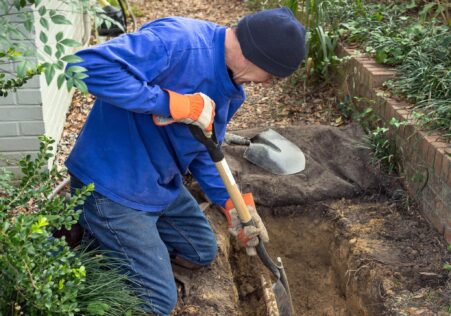
Over time tree roots naturally expand into the soil looking for nutrients. This results in them growing toward underground pipes. Once inside the pipes, tree roots can cause substantial damage and could completely block them, causing flooding. It is therefore essential if you have trees in the vicinity that you regularly maintain the growth of your trees around drainage systems by pruning them in a regular manner.
Cause 3: Flushed items
It’s easy to think that flushing non-biodegradable things like the wet wipes, sanitary towel etc. aren’t likely to cause major issues in the end, However, if a large amount of these items go in toilets, they’ll accumulate pushing others aside blocking pipes – this can cause unpleasant odors to emanate around bins and toilets! Always remember what should be flushed away and what should not (i. it is only toilet paper needs to be flushed out).
Cause 4 Hair
Additional Information
- Start with Clean Plumbing for a Pristine Home: Essential Tips for Maintaining Your Plumbing
- The Ultimate Checklist for a Smooth-flowing CCTV Drain Inspection Experience
- Defeating Stubborn Clogs with High Pressure Drain Cleaning
- CCTV Drain Inspections: Why They are Crucial in Detecting Drain Blockages
- What to Know about Pipe Relining Services for Blocked Drains
- DIY Tips for Unclogging Your Shower Drain Without Harsh Chemicals
- Unclog Your Drains: Speedy Tips to Try Out Right Now
- Stop Blockages Before They Happen: 10 Ways to Prevent Clogged Drains
- The Benefits of CCTV Drain Inspection: Beyond Unclogging Pipes
- CCTV Drain Inspection: An Effective Way to Prevent Future Plumbing Issues