The Role of CCTV Drain Inspection in Identifying Drain Corrosion

Blocked drains can cause a lot of trouble for businesses and homeowners alike. They can cause interruptions, bad odors, and may lead to hygienic issues. It is essential to identify the cause of blocked drains to fix them and avoid further blockages.
Key Takeaways
- Blocked drains can lead to disturbances, odor and hygienic issues.
- Drain corrosion is a typical cause of blockages and leaks because of aging, exposure to chemicals or accidents.
- CCTV Drain Inspection provides an effective, accurate, and cost-effective method of diagnosing problems with pipe systems.
- The procedure involves insertion of an optical fiber camera which captures images that are sent to a control center team that can identify problems that are either large or minor in the pipeline.
- Benefits include no destructive investigations cost savings, reduced resources and material costs as well as the prevention of problems in the future fast diagnosis and delivery of reports.
- If you have any slow or blocked drains, contact Perth Blocked Drains Plumbers for immediate assistance.
What is Drain Corrosion?
It is believed that drain corrosion occurs when pipes age or are exposed to a variety of chemical substances. The cause could be because of plumbing incidents, such as cleaning agents that are corrosive, which destroy PVC pipes. Corrosion leads to several problems such as blockages or leaks which could result in permanent damage. However, determining the exact location of issue can be challenging.
How CCTV Drain Inspection Works
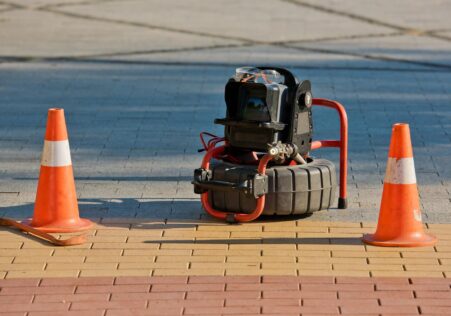
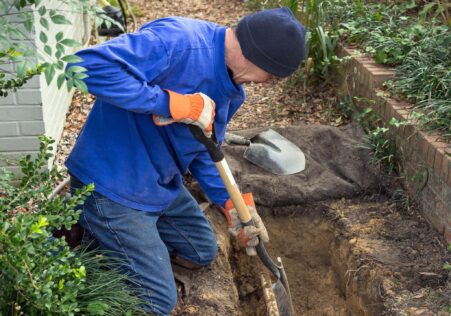
CCTV cameras allow us to conduct an internal inspection of the drain system with out the need for digging which could damage your yard or property.
The process is quite simple:
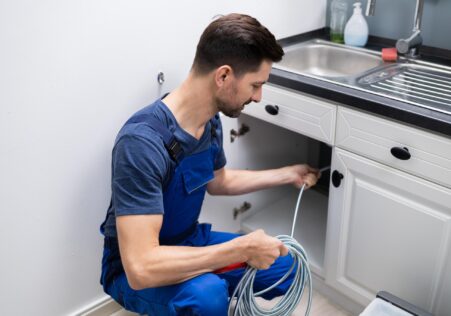
- The camera is coupled to a flexible wire through the drain.
- The camera captures high-resolution images of the insides of your drain pipes. These is transmitted back to our staff operating from our control center.
- Our fully trained technicians use these images to identify and pinpoint any flaws in the pipe, such as corrosion.
Why Use CCTV Inspection?
Aerial pollution and seismic activity, as well as changing soils, and patterns of rainfall are all factors that can cause pipe blockages; therefore it is imperative to swiftly identify and correct these issues prior to they grow. Here’s the reason why CCTV inspections are useful:
- Afcurate Identification Inspections by CCTV give exact information about what’s happening in your pipeline making sure that you avoid damaging investigations that could result in the wasting of time and funds.
- Cost-effective since no excavation or digging is needed, it reduces both manpower resources and the expense of material.
- Beware of Future Problems Our experts identify any issues, no matter how small in the pipework with high-resolution cameras which permit an early intervention that will prevent any future issues.
- Effective Our team of surveyors can identify and provide precise reports on the spot, allowing prompt decision-making for remedial actions.
Conclusion
In conclusion, CCTV Drain Inspection is a reliable and cost-effective method of identifying blocked drains due to corrosion. The earlier the problem is identified, the faster the problem can be solved without causing any disruption. If you observe any problems with slow drains or blocked drains call us at call by dialing Perth Blocked Drains Plumbers for immediate assistance.
Additional Information
- Choosing the Right Service Provider for Your CCTV Drain Inspection Needs
- Discover the Best Pipe Relining Materials for Your Plumbing Needs
- Unblocking Your Drainage Pipes: The Best Plumbing Solutions
- The Do's and Don'ts of Keeping Your Drains Free from Blockages
- Don't Fall for These Mistakes When Choosing a CCTV Drain Inspection Company
- A Comprehensive Overview of CCTV Drain Inspection for Your Home
- When Should You Call A Professional To Clear Your Blocked Drain?
- Identifying the Culprits of Drain Obstructions
- DIY Drain Cleaning: How to Safely Tackle Clogged Drains
- CCTV Drain Inspections: Why They are Crucial in Detecting Drain Blockages